
New cars should have Paint Protection Film installed as soon as possible to maximize paint protection and preserve factory-finish quality. Immediate installation reduces exposure to rock chips, swirl marks, UV damage, and environmental contaminants before they permanently affect the paint surface. For drivers who want long-term vehicle preservation and retention of resale value, early PPF application is the most effective preventive step.
A new vehicle’s paint is at its cleanest and most structurally intact state at delivery. Once exposed to daily driving conditions, even minor impacts can begin degrading the finish within days. That is why professional installers recommend early protection as a standard practice in modern automotive care.
What Is Paint Protection Film and Why Does It Matter
Paint Protection Film is a transparent, high-performance urethane layer applied to a vehicle’s painted surfaces. It acts as a sacrificial barrier, absorbing physical impacts and environmental damage before they reach the factory paint.
Unlike waxes or ceramic coatings, Riverside, CA paint protection film provides measurable physical protection against road hazards encountered in real-world driving conditions.
Key Functional Specifications of PPF
Self-Healing Polymer Layer
Light scratches and swirl marks can disappear with heat exposure from sunlight or warm water.
Impact Absorption Layer
Designed to reduce damage from gravel, road debris, and minor impacts.
UV Stabilization
Helps slow paint oxidation and fading caused by prolonged sun exposure.
Hydrophobic Surface Tension
Reduces water spotting, dirt adhesion, and contaminant buildup.
Optical Clarity Construction
Maintains factory gloss and color depth without visual distortion.
Chemical Resistance Barrier
Protects against acidic contaminants such as bug residue, bird droppings, and road grime.
Why Immediate Installation After Purchase Is Critical
Delaying Paint Protection Film installation increases the likelihood of irreversible paint damage during early ownership. Most vehicles begin accumulating imperfections during the first weeks of driving.
Common exposure risks include highway debris, automatic wash systems, and environmental contaminants, which is why many vehicle owners consider solutions like Riverside paint protection film. Once damage occurs, restoration typically requires paint correction or refinishing, which permanently alters factory originality.
Early-Stage Paint Damage Risks
| Hazard Source | Typical Damage | PPF Protection Effect |
| Highway gravel | Rock chips | Absorbs impact |
| Bug acids | Etching | Prevents surface contact |
| UV exposure | Fading | Blocks UV rays |
| Automatic washes | Swirl marks | Reduces abrasion |
| Road contaminants | Surface staining | Creates a protective barrier |
In real-world conditions, even short commutes can expose vehicles to repeated micro-impact events that slowly degrade unprotected surfaces.
Best Areas to Apply Paint Protection Film on New Cars
Not all panels experience equal exposure. Strategic installation focuses on high-impact zones to maximize value and protection.
High-Impact Front-End Protection
- Front bumper
- Hood leading edge
- Front fenders
- Side mirrors
- Headlights
This configuration is commonly referred to as “front-end PPF coverage” and is widely used for daily-driven vehicles.
Secondary Vulnerability Zones
- Door cup recesses
- Door edges
- Rocker panels
- Rear wheel arches
- Trunk loading areas
These areas often accumulate scratches from daily use rather than road impact.
PPF vs Ceramic Coating: What Actually Protects Your Paint?
While both technologies improve vehicle protection, they serve fundamentally different roles.
| Protection Type | Paint Protection Film | Ceramic Coating |
| Rock chip resistance | High | Low |
| Scratch resistance | Moderate to high | Low |
| Self-healing ability | Yes | No |
| UV protection | High | High |
| Chemical resistance | High | Moderate |
| Gloss enhancement | Moderate | High |
Why Professionals Often Combine Both
A dual-layer system is commonly used:
- PPF provides physical protection
- Ceramic coating enhances surface slickness and cleaning efficiency
This combination delivers both durability and ease of maintenance.
How Long Does Paint Protection Film Last?
High-quality PPF is designed for long-term performance, often lasting several years under normal conditions.
Factors That Influence Lifespan
Film Grade and Manufacturer Quality
Premium films offer improved clarity, elasticity, and warranty coverage.
Installation Precision
Proper surface preparation and application techniques significantly affect durability.
Environmental Exposure
Extreme heat, UV intensity, and pollution levels can influence long-term performance.
Maintenance Practices
Gentle washing methods help preserve film clarity and adhesion.
Driving Conditions
Highway-heavy driving increases exposure to debris and impact stress.
Most professional-grade films last between 5 and 10 years when properly maintained.
Common Misconception: Factory Paint Alone Is Enough
A widespread belief is that modern factory paint is durable enough without additional protection. While today’s automotive coatings have improved, they are still not engineered to withstand repeated impacts from road debris.
Factory paint systems are designed primarily for appearance and regulatory compliance, not long-term impact resistance.
Even premium vehicles can develop visible front-end damage shortly after leaving the dealership under normal driving conditions.
PPF is specifically engineered as a sacrificial barrier that absorbs damage before it reaches the paint layer.
Is Paint Protection Film Worth It for Daily Driving?
For most daily drivers, PPF provides measurable long-term value by reducing cosmetic wear and preserving resale condition.
Ideal Candidates for PPF Installation
- Highway commuters
- Luxury vehicle owners
- Long-term vehicle owners
- Performance car enthusiasts
- Drivers prioritizing resale value
- Vehicles exposed to frequent road debris
Daily driving conditions introduce constant micro-exposure that accumulates over time, making preventive protection more cost-effective than corrective detailing.
A recent case involving a commuter vehicle highlighted how early front-end exposure can result in visible chip damage within a short ownership period, reinforcing the importance of early installation.
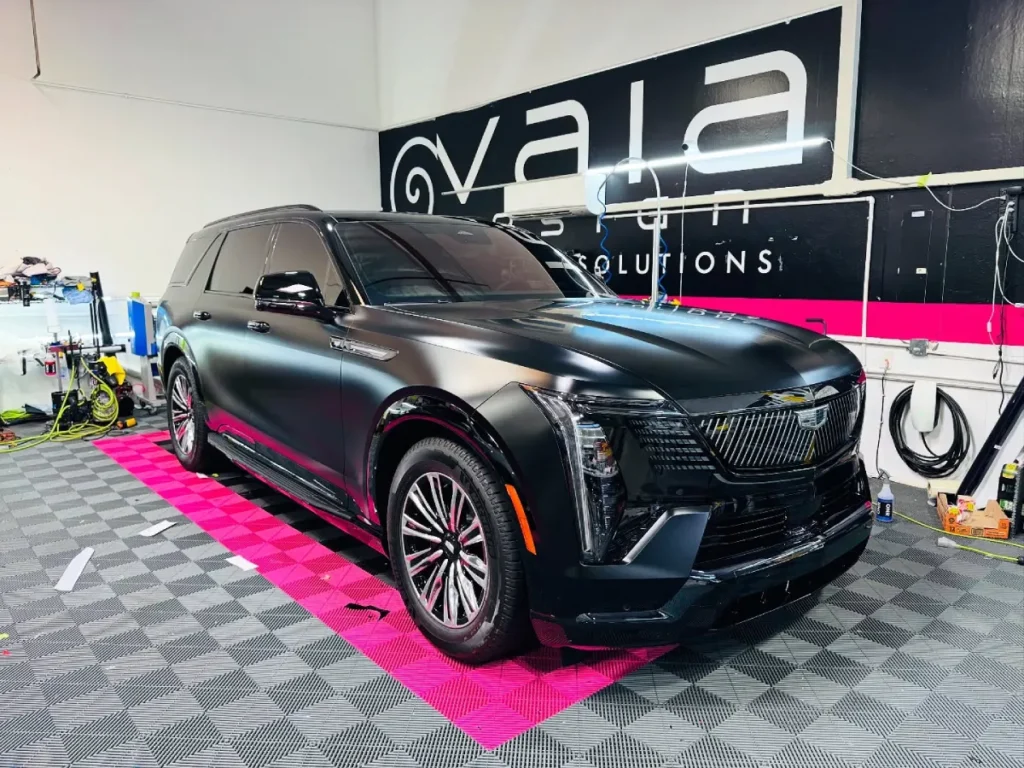
The Ceramic Pro Riverside Vehicle Protection Process
A structured installation process ensures consistency, durability, and long-term performance across all vehicle types, particularly for services such as paint protection film in Riverside, CA.
1. Vehicle Inspection and Assessment
The paint is evaluated for defects, contamination, and condition before any installation begins.
2. Surface Decontamination and Preparation
The vehicle undergoes deep cleaning, chemical decontamination, and optional paint correction to ensure a flawless bonding surface.
3. Precision Film Design and Cutting
Computer-cut templates ensure exact panel fitment and reduce trimming on the vehicle.
4. Professional Film Installation
PPF is applied using controlled techniques to eliminate bubbles, stretch marks, and alignment issues.
5. Edge Wrapping and Finishing
Edges are wrapped where possible to improve durability and maintain a seamless appearance.
6. Final Inspection and Care Guidance
A full quality check is performed, and maintenance instructions are provided for long-term performance.
Why Vehicle Owners Choose Ceramic Pro Riverside
At Ceramic Pro Riverside, vehicle protection is centered on preserving factory paint condition through precision installation, high-grade materials, and structured preparation processes.
Each installation is designed to help protect vehicles from daily wear while maintaining long-term appearance quality and resale value, especially for clients seeking paint protection film in Riverside. The focus remains on delivering consistent results backed by professional-grade application standards.
In Summary
Applying Paint Protection Film immediately after purchasing a new vehicle is one of the most effective ways to preserve factory paint, reduce long-term damage, and maintain resale value. Once damage begins, restoration becomes more costly and less effective than prevention.
For drivers who want long-term protection and professional-grade installation, contacting a trusted installer such as Ceramic Pro Riverside early ensures the best possible outcome for vehicle preservation.
To protect your vehicle with expert installation and premium materials, contact us today to schedule a consultation.
People Also Ask
Should new cars get Paint Protection Film immediately?
Yes. Early installation prevents initial damage from road debris and preserves factory paint condition.
Does PPF stop all scratches and chips?
It significantly reduces damage but cannot eliminate all impact under extreme conditions.
Can PPF be removed safely later?
Yes, when professionally installed and removed, it does not damage factory paint.
Is ceramic coating enough without PPF?
No. Ceramic coating improves surface behavior but does not protect against physical impact.
How long does PPF last on a car?
Typically 5–10 years, depending on film quality and maintenance.