To compare window tint performance, focus on three key ratings: Total Solar Energy Rejection (TSER) for overall heat reduction, UV rejection for protection against harmful rays and interior fading, and Visible Light Transmission (VLT) for the amount of light the film allows through. A higher TSER with an appropriate VLT provides the best balance of heat control, comfort, visibility, and appearance.
Technical Definitions of Window Film Performance Metrics
Before comparing films, we must establish a precise baseline. The solar spectrum reaching your vehicle consists of roughly 3% ultraviolet, 44% visible, and 53% infrared radiation. Advanced window films manipulate these distinct wavelengths using engineered layers of dyes, sputtered metals, or nano-ceramic particles. For drivers researching regional installation standards, local options for premium window tinting in Riverside provide a firsthand look at how these performance tiers handle intense daily heat loads.
To accurately read a manufacturer’s spec sheet, you must understand the following standardized features:
- Visible Light Transmission (VLT): The percentage of electromagnetic radiation in the visible spectrum (380 to 780 nanometers) that passes directly through the glass-film assembly. A lower VLT means a darker shade (e.g., a 5% VLT “limo tint” allows only 5% of visible light to pass).
- Total Solar Energy Rejection (TSER): The percentage of total solar radiation that the film system rejects. Calculated over the entire solar spectrum (300 to 2500 nanometers), TSER is the only metric regulated by NFRC (National Fenestration Rating Council) standards for accurately quantifying cabin cooling.
- Ultraviolet Rejection (UVR): The percentage of damaging ultraviolet type A (UVA) and type B (UVB) radiation blocked by the film. Premium architectural and automotive films must maintain a 99% or higher rejection rate across all shade levels to combat material degradation.
- Infrared Rejection (IRR): A measurement of how much infrared radiation (780 to 2500 nanometers), the primary wavelengths responsible for radiant, solar heat transmission, is blocked.
- Selective Infrared Rejection (SIRR): An advanced testing metric that evaluates infrared rejection within a specific wavelength band (typically 900-1000 nanometers). This provides a more precise look at where a nano-ceramic film achieves its peak thermal performance.
The Physics of Heat: Why Darker Tint Does Not Mean Better Heat Rejection
One of the most persistent misconceptions in the automotive styling industry is that a darker film inherently blocks more heat. For decades, drivers assumed that pasting a pitch-black dyed film over their glass was the only way to escape the summer sun.
This assumption is fundamentally incorrect. Traditional dyed films block visible light by absorbing it and converting it into thermal energy, which is then radiated inward through the glass over time.
Modern window film technology relies on non-conductive nano-ceramic particles to target the invisible infrared heat wavelengths. Because infrared light accounts for over half of the sun’s thermal energy, an advanced nano-ceramic film with a nearly clear 70% VLT can easily outperform a cheap, dark 5% dyed film in thermal performance. Prioritizing ceramic construction yields maximum heat mitigation without compromising low-light driving visibility or legal compliance. Using premium Riverside, CA window tinting solutions lets you achieve elite climate control without resorting to dangerously dark windows.
Comparing Film Technologies: Dyed, Metallic, Carbon, and Ceramic
Selecting the right film layer technology is critical to preserving your investment long term. Different manufacturing methods yield highly varied results across performance categories.
Dyed Films
The most entry-level option available on the market. Dyed films use a layer of organic dye absorbed into the polyester film base to block visible light. While they excel at providing immediate cosmetic privacy and reducing glare, they offer very poor heat-rejection properties. Over time, UV radiation breaks down the dye’s chemical bonds, causing the film to fade, turn purple, or bubble.
Metallized Films
These films incorporate a microscopic layer of reflective metal particles (such as aluminum or nickel) sputtered onto the polyester substrate. Metalized films reject heat by reflecting solar radiation away from the vehicle before it penetrates the glass. While highly durable and effective at heat rejection, they carry a massive disadvantage: the metallic layer can severely disrupt radio, GPS, cellular, and tire pressure monitoring system (TPMS) signals.
Carbon Matrix Films
Carbon films utilize a specialized matrix of carbon particles suspended within the polyester layers. Carbon does not contain metal, meaning it causes zero signal interference. It blocks heat by effectively absorbing infrared radiation. Carbon films provide a matte, color-stable finish that will not fade over time, making them an excellent mid-tier choice for enthusiasts seeking both aesthetics and thermal control.
Nano-Ceramic Films
The absolute peak of window film engineering. Nano-ceramic films use sub-microscopic ceramic particles that are invisible to the naked eye yet highly reactive across the solar spectrum. Ceramic material is inherently non-conductive, allowing it to block heat transmission without blocking any communication signals. They offer the highest possible TSER ratings and maintain perfect clarity for decades.
| Film Architecture | VLT Availability | Average TSER Range | UV Protection | Signal Disruption Risk |
| Standard Dyed | 5% to 50% | 20% – 35% | Poor to Moderate | None |
| Metalized / Hybrid | 10% to 70% | 40% – 55% | Good (Up to 99%) | High Risk (GPS, Cellular, TPMS) |
| Carbon Matrix | 5% to 70% | 50% – 60% | Excellent (99%) | None |
| Nano-Ceramic | 5% to 80% | 60% – 75%+ | Maximum (99.9%) | None |
Step-by-Step Framework for Evaluating Manufacturer Spec Sheets
When weighing different brands or film tiers, follow this sequence to cut through marketing claims and find the highest-performing options.
- Isolate the TSER Rating: Crucial for Thermal Comfort.
Ignore the cosmetic shade at the start. Look directly at the Total Solar Energy Rejection percentage. If a brand omits TSER and only lists “Infrared Rejection,” they may be highlighting a narrow wavelength band to obscure a lower overall performance score.
- Verify the UV Protection Threshold: Preserving the Interior.
Ensure the Ultraviolet Rejection rating is at least 99%. This is your primary defense line against cracked dashboards, fading leather seats, and UV-related skin damage during prolonged commutes.
- Select Your VLT Based on Visibility Needs: Aesthetic & Compliance.
Choose your visible light transmission percentage based on your driving preferences and local legal limitations. Remember, with premium ceramic structures, you can select a lighter VLT (like 50% or 70%) while retaining elite heat rejection levels.
- Confirm Film Material Composition: Signal Safety & Longevity.
Confirm that the underlying technology is non-conductive and non-metalized. Opting for nano-ceramic or advanced carbon-matrix variations ensures that your phone signals, satellite radio, and tire pressure monitoring systems continue to work flawlessly.
Field Insights: Real-World Applications on Premium Vehicles
When working with clients who view their vehicles as true investments, technical installation accuracy matters. During a recent vehicle assessment for a collector in Mason, our installation teams encountered factory-installed privacy glass that appeared dark but offered no defense against solar heat gain. We applied a clear ceramic film over the top, retaining the factory aesthetic while multiplying the thermal barrier.
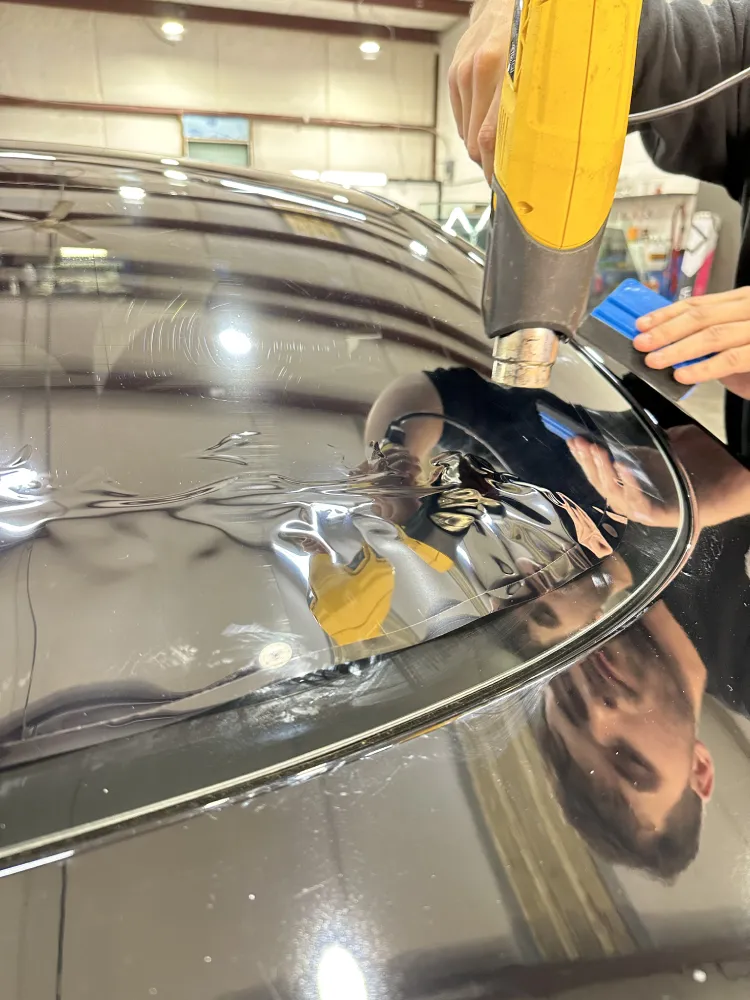
Our technicians see that high-IRR ceramic films reduce cabin heat, ease AC strain, and protect modern interiors from UV damage. We also provide specialized solutions for classic vehicle restorations, preserving delicate materials from sun exposure. For superior results, professional Riverside window tinting ensures a clean, bubble-free installation with lasting optical clarity.
Understanding these regional climate factors helps car owners maximize their investment. Whether dealing with coastal humidity or intense inland-valley heat, tailoring your film selection to data-backed physics helps protect your automotive investment for the long haul.
Preserving Your Mobile Investment
Choosing the ideal combination of heat rejection, UV protection, and shade darkness comes down to balancing performance with style. By relying on proven metrics like TSER and advanced ceramic films, you can better protect your vehicle’s interior while enhancing comfort and appearance. Ceramic Pro Riverside delivers professional window tint solutions with the precision and attention to detail your vehicle deserves.
Ready to transform your driving experience and safeguard your interior with elite-tier solar defense? Contact Us today to explore our premium line of window films. Let our factory-certified installation experts build a protection package tailored specifically to your vehicle platform.
People Also Ask (FAQ)
What is the difference between TSER and IRR?
IRR measures infrared heat rejection, while TSER measures total solar energy rejection, including infrared, UV, and visible light. TSER is the better indicator of overall heat reduction.
Does ceramic window tint fade or turn purple?
No. High-quality ceramic films are dye-free, so they resist fading and maintain their color over time.
Can ceramic window tint be installed over factory-tinted glass?
Yes. Factory-tinted glass mainly provides privacy, while ceramic film adds superior heat and UV protection.
Is window tint installed on the inside or outside?
Window tint is applied to the inside of the glass to protect it from weather and everyday wear.