
A car wrap can fail on freshly painted surfaces because the paint may not be fully cured, causing solvents to interfere with adhesive bonding. This can lead to bubbles, lifting, poor adhesion, or paint damage during removal. At Ceramic Pro Riverside, proper surface evaluation and preparation help ensure a durable installation with long-lasting results.
Why Fresh Paint Creates Problems for Vehicle Wraps
Fresh automotive paint does not immediately become a fully stable surface after it is sprayed. While it may appear smooth and dry, the paint continues to cure as solvents evaporate and the finish gradually hardens.
Vehicle wrap vinyl uses pressure-sensitive adhesives designed to bond with stable, properly prepared surfaces. When applied to paint that is still curing, the adhesive may not perform as intended because the surface beneath the vinyl is still changing.
This can lead to several issues:
- Solvent outgassing: Remaining solvents escape from the paint and become trapped beneath the vinyl, creating bubbles or lifting.
- Weak adhesive bonding: The wrap may not form a secure connection with the paint.
- Paint movement: Softer paint can shift or compress beneath the vinyl.
- Removal problems: If the paint has not fully hardened, removing the wrap may pull away sections of the finish.
For this reason, professional installers evaluate the condition of freshly painted panels before beginning any wrap installation.
Fresh Paint vs. Fully Cured Paint: What Is the Difference?
Understanding the difference between dry paint and cured paint helps explain why timing matters.
| Surface Condition | Freshly Painted Surface | Fully Cured Surface |
| Paint Stability | Still changing chemically | Fully hardened |
| Adhesive Performance | Less predictable | Strong and consistent |
| Bubble Risk | Higher due to outgassing | Significantly reduced |
| Edge Adhesion | More likely to fail | Better long-term hold |
| Wrap Removal | Greater risk of paint damage | Safer when properly installed |
A vehicle owner may see a glossy finish and assume the surface is ready. However, appearance alone does not indicate whether the paint has completed its chemical curing process.
How Long Should Paint Cure Before Applying a Wrap?
There is no universal cure time that applies to every vehicle. The required waiting period depends on the type of paint, refinishing method, environmental conditions, and manufacturer recommendations.
Many automotive refinishing professionals recommend waiting approximately 30 to 90 days before wrapping newly painted panels. Some factory-style repairs may cure faster, while custom paint jobs or multi-layer finishes may require additional time.
Before installation, experienced wrap professionals consider:
- The type of paint system used.
- Whether the panel was repaired or completely refinished.
- The paint manufacturer’s cure recommendations.
- Temperature and humidity during the curing period.
- Whether the vehicle was baked in a controlled paint booth.
The safest approach is to confirm that the paint is fully cured before applying vinyl. Waiting longer is usually far less expensive than repairing a failed wrap installation.
Signs Fresh Paint May Not Be Ready for a Wrap
A vehicle owner should be cautious if any of the following apply:
- The vehicle was painted recently.
- The paint still has a noticeable odor.
- The surface feels unusually soft.
- The panel was repaired after an accident.
- The body shop recommended additional curing time.
- The finish has visible imperfections or an uneven texture.
Professional installers inspect these factors because the quality of the final wrap depends on the condition of the paint beneath it.
Important Vehicle Wrap Terms
Paint Curing
The chemical process by which automotive paint hardens and reaches long-term stability after application.
Solvent Outgassing
The release of remaining solvents from paint as it continues curing, which can interfere with vinyl adhesion.
Surface Preparation
The cleaning and treatment process removes contaminants and creates an ideal bonding surface for vinyl.
Pressure-Sensitive Adhesive
The adhesive technology used on vehicle wrap films creates a bond when pressure is applied to a clean, prepared surface.
How Professional Installers Prevent Wrap Failure
A successful installation in Riverside, car wrap starts before the vinyl is applied. Professional installers follow a thorough preparation process to ensure proper adhesion, durability, and long-lasting results.
1. Inspect the Vehicle Surface
The first step is examining the paint condition. Installers look for previous repairs, contamination, imperfections, and signs that the paint may still be curing.
2. Verify Paint Readiness
If a vehicle has recently been painted, the installation team reviews curing information and determines whether the surface is suitable for vinyl.
3. Clean and Prepare the Paint
Even fully cured paint requires preparation. Dirt, wax, oils, polishing residue, and road contaminants can prevent proper adhesive contact.
4. Install Vinyl Correctly
Premium wrap films must be applied with proper technique, including correct positioning, controlled stretching, and appropriate heat application around curves and edges.
5. Perform Quality Inspection
After installation, professionals inspect seams, corners, edges, and high-stress areas to ensure the wrap is properly secured.
This preparation-focused approach helps deliver a cleaner appearance and longer-lasting results.
Common Causes of Wrap Failure
Poor Surface Preparation: Wax, grease, and other contaminants can weaken adhesion.
Low-Quality Materials: Inferior vinyl is less durable and flexible than premium cast films.
Improper Installation: Incorrect stretching, inadequate post-heating, or trapped contaminants can cause failure.
Incorrect Maintenance: Harsh chemicals and abrasive washing can shorten the wrap’s lifespan.
Vehicle owners researching car wraps in Riverside, CA, should consider installation expertise, preparation standards, and material quality, not just the initial price.
Industry Myth: If Paint Feels Dry, It Is Ready for a Wrap
One of the most common misconceptions about vehicle wraps is that paint is ready for vinyl as soon as it feels dry. This is not accurate.
Dry paint and cured paint are two different stages. Dry paint means the surface is no longer wet or easily marked. Fully cured paint means the coating has completed the chemical changes necessary for long-term stability.
When vinyl is applied too soon, remaining solvents may become trapped beneath the wrap. Over time, this can create bubbles, reduce adhesive performance, and increase the possibility of paint damage during removal.
Professional installers understand that a successful wrap depends on more than how the paint looks. They evaluate whether the surface is chemically ready to accept vinyl and recommend waiting when necessary. This approach protects the vehicle owner’s investment and helps ensure the wrap performs as expected.
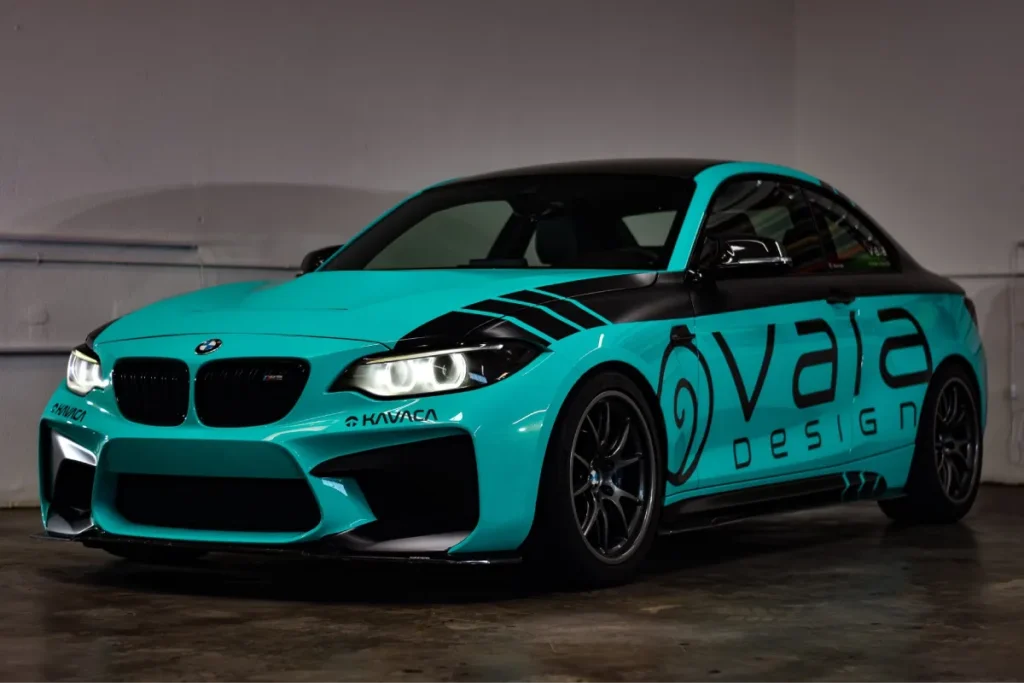
Vehicle Wraps as Part of Complete Automotive Protection
A vehicle wrap can provide a dramatic change in appearance, but many owners also consider additional protective solutions to preserve their investment.
Depending on the vehicle’s needs, wraps can be combined with other automotive protection services:
| Protection Service | Primary Benefit |
| Vehicle Wrap | Changes the appearance and adds a customized finish |
| Paint Protection Film (PPF) | Helps defend against rock chips and road debris |
| Ceramic Coating | Improves ease of cleaning and surface protection |
| Window Tint | Helps improve comfort and reduces UV exposure |
A professional consultation allows installers to evaluate the vehicle and recommend the most suitable approach rather than applying a one-size-fits-all solution.
How to Maintain a Vehicle Wrap After Installation
Proper maintenance helps protect the appearance and performance of a professionally installed wrap.
Recommended Care Practices
- Wash the vehicle regularly using a pH-neutral automotive soap.
- Use soft microfiber towels to avoid scratching the vinyl surface.
- Remove bird droppings, bug residue, and tree sap as soon as possible.
- Avoid abrasive brushes and harsh chemical cleaners.
- Limit extended exposure to direct sunlight whenever possible.
- Schedule inspections if the edges begin to show signs of lifting.
A wrap that is properly installed and maintained can continue looking sharp while protecting the underlying finish.
Why Professional Installation Matters
A vehicle wrap is a precision process that combines material knowledge, surface preparation, and installation skill. Choosing an experienced installer helps reduce the risk of premature failure and ensures the finished result meets professional standards.
A qualified wrap specialist should:
- Understand paint and adhesive compatibility.
- Inspect the vehicle before installation.
- Use quality vinyl products.
- Follow the manufacturer’s installation guidelines.
- Explain proper maintenance after installation.
- Provide honest recommendations about surface readiness.
When considering car wraps in Riverside, vehicle owners should prioritize experience and workmanship over cost when selecting an installer. Proper installation creates better value by improving durability, appearance, and long-term satisfaction.
In Summary
A vehicle wrap requires more than quality vinyl; it depends on properly cured, clean, and prepared paint. Applying vinyl too soon after painting can lead to issues like bubbling, adhesive failure, and removal damage.
At Ceramic Pro Riverside, part of Vaia Design, we provide professional automotive protection services, including wraps, Paint Protection Film, ceramic coatings, and window tint.
Contact us today for an inspection and expert recommendations to protect your vehicle and achieve lasting results.
People Also Ask (FAQ)
Why does a car wrap fail on freshly painted surfaces?
Fresh paint can release solvents that prevent proper adhesion, causing bubbles, lifting, or reduced durability.
How long should I wait before wrapping a freshly painted vehicle?
Most professionals recommend waiting 30–90 days, depending on the paint system and manufacturer guidelines.
Can a wrap damage new paint?
Yes. Uncured or poorly refinished paint may lift or become damaged during removal.
What causes bubbles under a vehicle wrap?
Bubbles can result from trapped air, contamination, installation issues, or paint outgassing.
Can I apply a ceramic coating over a wrapped vehicle?
Yes. Vinyl-safe ceramic coatings can improve protection, water resistance, and ease of cleaning.