
Paint protection film can be applied to repainted body panels, but the replacement paint must be fully cured and properly prepared before installation. Applying it too soon can interfere with paint curing, affect adhesion, and potentially create problems when the film is later removed. The safest approach is to confirm the paint system’s curing requirements with the body shop and have a professional installer inspect the panel before installation.
Why Does Freshly Repainted Paint Need Time Before PPF
Automotive refinishing systems contain solvents and other components that need time to evaporate and cure. A panel can appear dry on the surface while the underlying paint system is still curing.
Installing an adhesive-backed film over paint that has not fully cured can interfere with the curing process. The result may include adhesion issues, bubbling, lifting, or complications when the PPF must eventually be removed.
The exact curing period depends on the paint products used, application method, shop conditions, temperature, and whether the panel was baked or air-cured. There is therefore no universal number of days that applies to every repaint.
How Do You Know If A Repainted Panel Is Ready
The best way to determine readiness is to obtain information from the body shop that performed the repaint and have the PPF installer in Loma Linda, CA assess the surface.
Check These Factors First
- Paint system: Identify the products and refinishing system used.
- Curing process: Determine whether the panel was air-cured or force-cured.
- Manufacturer requirements: Follow the paint manufacturer’s recommendations.
- Surface condition: Check for defects, contamination, sanding marks, or imperfections.
- Paint adhesion: The refinished surface should be properly bonded and stable.
- Installer assessment: Have the PPF professional verify that the panel is suitable.
What Happens If PPF Is Installed Too Soon
Applying PPF before the paint is adequately cured can create several risks.
| Potential issue | Why it matters |
| Adhesion problems | The film may not bond consistently |
| Lifting or edge failure | Adhesive performance can be affected |
| Trapped moisture or solvents | The underlying finish may still be changing |
| Removal concerns | Adhesive removal can become more complicated |
| Finish imperfections | Existing paint defects may remain visible beneath the film |
This does not mean every newly painted panel will experience these problems. The risk depends on the paint system, curing process, environmental conditions, and installation technique.
The important point is that freshly painted does not automatically mean PPF-ready.
Does PPF Stick To Repainted Panels Differently
PPF can adhere successfully to properly cured refinished automotive paint. However, a repainted panel may not have exactly the same surface characteristics as the vehicle’s original factory finish.
Factory paint is applied under controlled manufacturing conditions, while collision or cosmetic repairs can involve different primers, basecoats, clear coats, sanding procedures, and curing conditions.
This makes surface evaluation particularly important.
Before applying paint protection film in Loma Linda, CA, an installer should determine whether the repainted panel has a suitable finish for the film’s adhesive system.
What Surface Preparation Is Needed Before PPF
Proper preparation is essential because PPF is only as good as the surface beneath it.
Typical Preparation Steps
Inspection: The panel is checked for defects, contamination, sanding marks, texture differences, and other issues.
Cleaning: Dirt, oils, waxes, and other contaminants are removed.
Decontamination: Any bonded contamination that could interfere with installation is addressed.
Paint correction when appropriate: Minor surface defects may require correction before film installation, provided the refinished paint is suitable for the process.
Final surface preparation: The panel receives the appropriate preparation before the film is positioned.
Vaia Design describes its paint protection film in Loma Linda as a precision-installed protective system designed to protect painted surfaces from road debris, chips, scratches, stains, and environmental exposure. Its offerings include gloss and matte finishes as well as coverage options ranging from specific areas to full-vehicle protection.
Can PPF Hide Imperfections In Repainted Paint
PPF should not be treated as a solution for significant paint defects.
The film is transparent, so imperfections underneath it can remain visible. Depending on the defect, PPF may even make the issue more noticeable because the film creates a smooth, reflective surface over the existing finish.
Before installation, the installer should determine whether the panel needs additional refinishing.
Potential concerns include:
- Orange peel
- Sanding marks
- Deep scratches
- Paint runs
- Uneven clear coat
- Contamination
- Color mismatch
- Poorly blended repairs
For this reason, PPF installation should happen after the refinished panel has been properly inspected rather than immediately after the vehicle leaves the body shop.
Does Repainted Paint Affect PPF Removal
It can. Factory paint is generally designed as a complete automotive finishing system, whereas repaired panels may have different layers and adhesion characteristics.
If a repainted panel has poor adhesion or inadequate curing, removing PPF later may pose additional risks compared with a properly cured, professionally refinished surface.
This is another reason to establish the condition of the paint before installation rather than treating PPF as a simple cosmetic accessory.
A professional installer should be able to explain any concerns about the specific repaired panel before proceeding.
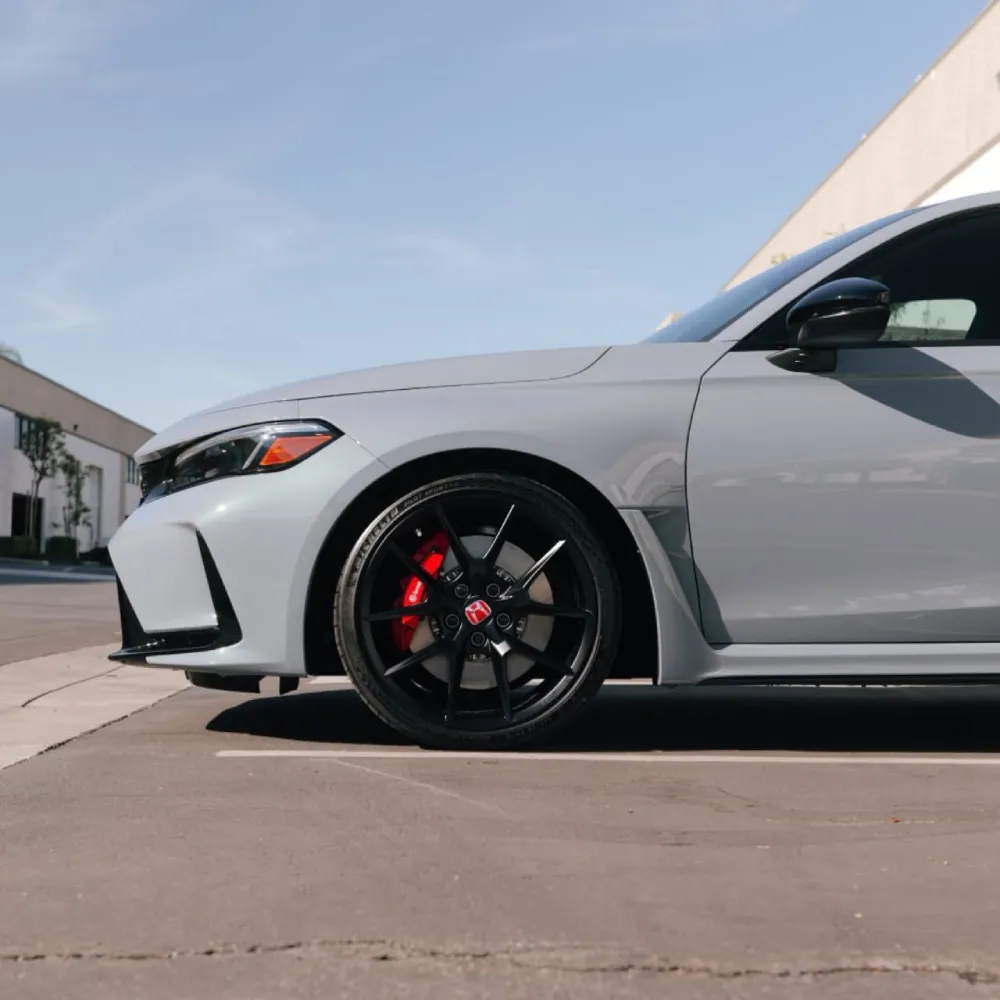
Misconception: PPF Can Be Installed As Soon As Paint Feels Dry
Surface dryness is not the same as complete curing.
A repainted panel may feel dry to the touch while the underlying paint system continues to cure. The adhesive used for PPF needs a stable surface, so relying only on how the paint feels can be misleading.
Instead, homeowners and vehicle owners should confirm the paint manufacturer’s curing requirements and communicate with both the body shop and PPF installer.
This extra step can help prevent unnecessary installation problems.
How Long Should You Wait Before Installing PPF
There is no single waiting period that applies to every repaint.
The appropriate timeframe depends on:
- Paint manufacturer’s specifications
- Type of paint system
- Number of refinishing layers
- Curing method
- Shop temperature and humidity
- Whether the panel was force-cured
- Clear coat used
- Installer’s assessment
Rather than relying on a generic seven-day or thirty-day rule, use the recommendations for the specific paint system involved.
If documentation is unavailable, the PPF installer may recommend waiting longer or consulting the refinishing shop before installation.
Is PPF Worth Installing On A Repainted Panel
It can be, particularly when the repaired panel is vulnerable to the same road hazards that damaged it previously.
PPF provides a physical protective layer that helps defend painted surfaces against everyday hazards such as gravel, rocks, road debris, stains, and minor abrasions. Vaia Design’s PPF offerings include coverage for the hood, fenders, bumper, mirrors, headlights, and other larger areas of the vehicle.
For a vehicle frequently driven around Bryant Street, for example, protecting a freshly refinished front bumper or hood may be worth considering if road debris is a concern.
However, the condition of the repaint should always come first. PPF protects the paint; it does not correct a poorly refinished panel.
Protect A Refinished Panel The Right Way
PPF can be an effective way to protect a repainted body panel, but timing and preparation are critical. The paint needs to be fully cured, properly bonded, clean, and free from significant defects before film is installed. Skipping those checks can create unnecessary adhesion and removal problems.
Vaia Design has served the Inland Empire since 2014 and offers paint protection film, ceramic coatings, window tint, and vinyl wraps. The company identifies itself as a Ceramic Pro Elite Dealer and offers KAVACA Paint Protection Film in gloss and matte finishes.
If your vehicle has recently been repainted, Contact Us today before installing PPF. A professional evaluation can help determine whether the finish is ready and which protection option best fits the repaired panel.
People Also Ask
Can PPF be installed over aftermarket paint?
Yes, PPF can potentially be installed over properly cured aftermarket paint. The refinished surface should be inspected first to confirm that it has adequate adhesion, curing, and finish quality.
How long should I wait after repainting before installing PPF?
There is no universal waiting period. Follow the paint manufacturer’s curing requirements and confirm readiness with both the body shop and PPF installer.
Will PPF damage a repainted panel?
Properly cured and properly bonded paint can generally support PPF, but refinished panels require additional consideration. Paint condition, curing, and adhesion should be evaluated before installation.
Can PPF protect a freshly repaired bumper?
Yes, once the repaired paint has fully cured and is suitable for installation. PPF can then help protect the bumper against chips, road debris, stains, and other everyday hazards.