
Hot weather does not inherently shorten the life of paint protection film. Modern PPF is engineered to withstand high temperatures and intense UV exposure over many years. However, sustained heat combined with poor installation quality, low-grade materials, or inconsistent maintenance can reduce durability and performance.
In most real-world cases, film quality, installation precision, and care routines matter significantly more than climate alone.
Understanding Heat and Paint Protection Film Performance
Paint protection film is made from thermoplastic polyurethane (TPU), a material engineered for elasticity, clarity, and resistance to environmental stress. Heat does not “damage” TPU in isolation. Instead, it interacts with other stressors like UV radiation, surface contamination, and adhesive curing conditions.
In professional-grade installations of paint protection film in Riverside, technicians routinely account for elevated surface temperatures caused by direct sun exposure and asphalt reflection. These conditions are predictable, and modern film systems are designed around them rather than defeated by them.
Vaia Design has been serving the Inland Empire since 2014, Riverside’s Flagship Ceramic Pro Elite Dealer, with multiple certifications and over 10+ years of experience. That depth of experience matters because real-world installation outcomes are shaped more by procedural discipline than by environmental assumptions.
What Heat Actually Does to Paint Protection Film
Heat affects paint protection film in Riverside, CA, indirectly through physical and chemical interactions. It does not cause sudden failure but can accelerate existing weaknesses over time.
1. Adhesive Behavior During Thermal Exposure
Pressure-sensitive adhesives used in PPF are designed to cure over time. In high heat, these adhesives may temporarily soften during the early stages of installation. If installation practices are not precise, this can lead to air entrapment or weak bonding zones.
2. Expansion and Contraction Cycles
Vehicles exposed to daily temperature fluctuations experience repeated expansion and contraction cycles. Over months and years, this micro-movement can stress edges, corners, and cut lines if they are not properly sealed.
3. UV Amplification Effect
Heat increases the rate at which UV radiation breaks down polymer structures. While premium films include stabilizers to resist this process, lower-grade materials are more vulnerable to gradual discoloration or surface dulling.
4. Surface Interaction Changes
At higher temperatures, surface energy behavior shifts slightly. This can influence how water, dirt, and contaminants interact with the film, making maintenance more important in hot climates.
Heat vs Film Quality: Real-World Performance Comparison
The relationship between heat and durability becomes clear when comparing different installation and material scenarios.
| Environment | Film Quality | Installation Quality | Expected Lifespan | Performance Outcome |
| High heat | Premium TPU | Certified installation | 7–12 years | Stable, long-term protection |
| High heat | Premium TPU | Average installation | 5–8 years | Minor edge or clarity degradation over time |
| High heat | Low-grade film | Any installation | 2–5 years | Early discoloration or failure risk |
| Moderate heat | Premium TPU | Certified installation | 8–12 years | Optimal performance |
The data consistently show that environmental conditions matter, but system quality determines outcomes.
Numbered Breakdown: When Heat Becomes a Contributing Factor
Heat only becomes problematic when it interacts with other preventable issues.
- Poor Surface Preparation
- Residual waxes or polishing compounds weaken adhesive bonding, especially under heat stress.
- Contamination During Installation
- Dust or microscopic debris trapped under film expands with heat and creates visible defects over time.
- Insufficient Cure Time
- Driving too soon after installation interrupts adhesive bonding stability.
- Low-Quality Material Composition
- Inferior films lack UV stabilizers and thermal resistance additives.
- Neglected Maintenance Practices
- Heat accelerates the chemical bonding of contaminants such as bird droppings or tree sap.
Definition List: Core Paint Protection Film Components
Thermoplastic Polyurethane (TPU)
A durable, flexible polymer used in premium PPF systems for impact resistance, optical clarity, and thermal stability.
Self-Healing Topcoat
A heat-reactive surface layer that allows light scratches to disappear when exposed to warm conditions or sunlight.
UV Stabilizers
Chemical compounds that slow the degradation caused by ultraviolet exposure, preventing yellowing and brittleness.
Hydrophobic Coating
A surface treatment that repels water and contaminants, improving cleaning efficiency and maintaining gloss.
Pressure-Sensitive Adhesive (PSA)
A bonding layer that adheres without heat activation and strengthens over time through controlled curing.
Why Installation Expertise Matters More Than Climate
One of the most overlooked factors in Riverside paint protection film performance is the discipline of installation. Even the highest-quality film will underperform if applied incorrectly.
Professional installation involves:
- Controlled environment conditions (temperature and humidity)
- Thorough surface decontamination
- Precision cutting and edge wrapping
- Proper squeegee technique to eliminate microbubbles
- Full curing time before exposure to heat or moisture
In high-temperature regions, these steps become even more critical because heat amplifies small installation imperfections.
This is where experience becomes essential. Vaia Design’s long-standing operational history and certification-backed installation processes are built around controlling these variables. Their approach prioritizes consistency, precision, and material compatibility under real-world environmental conditions rather than ideal laboratory assumptions.
Environmental Variability in Real Driving Conditions
Heat exposure is not uniform, even within the same city. Vehicle usage patterns, parking habits, and microclimates all influence film performance.
In dense urban zones, vehicles experience higher heat retention due to reflected sunlight from asphalt and surrounding structures. This creates sustained surface temperatures that test adhesive stability during peak daylight hours.
In freeway-heavy environments, constant airflow introduces both thermal load and particulate exposure, which can affect leading edges over time.
In residential or shaded areas, reduced UV exposure slows oxidation and preserves film clarity for longer periods.
These differences highlight a key principle: environmental impact is cumulative and context-dependent, not purely temperature-based.
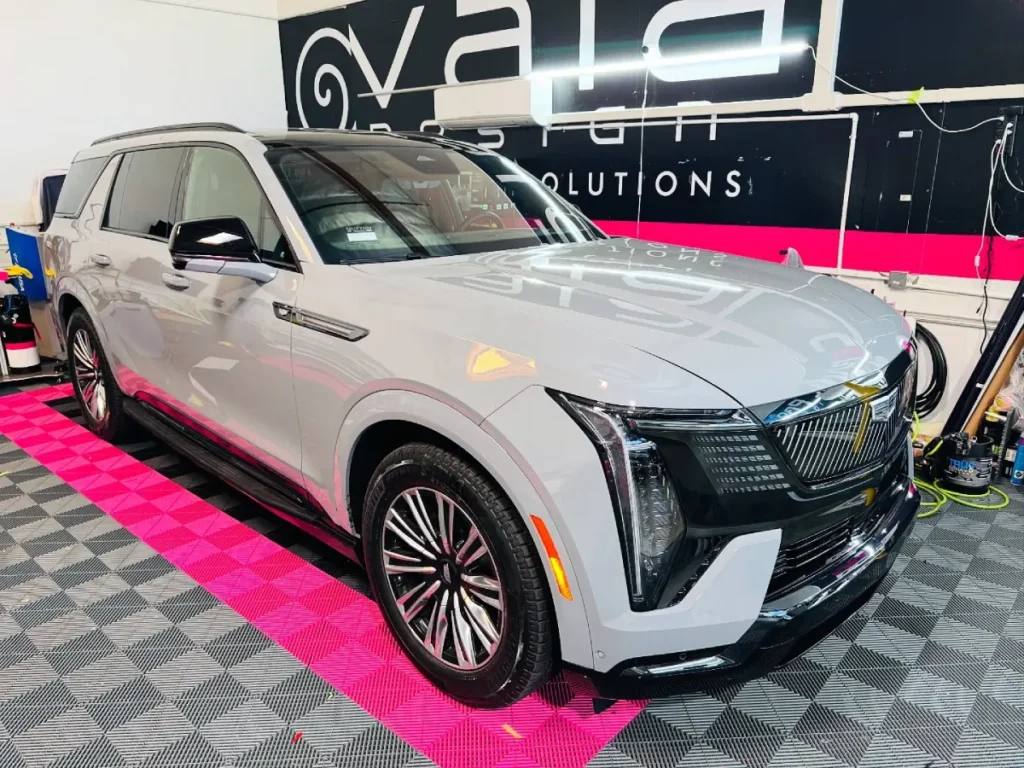
Misconception: “Hot Weather Will Destroy Any Paint Protection Film”
This is one of the most persistent misunderstandings in the automotive protection industry.
The Reality
Hot weather alone does not destroy paint protection film. Instead:
- Premium TPU films are engineered to withstand sustained high surface temperatures.
- Most visible failures are linked to installation quality or contamination, not climate.
- Yellowing, bubbling, or lifting typically results from material grade or application errors.
High-performance film systems used in professional installations are tested for prolonged exposure to UV and thermal conditions far beyond typical real-world conditions.
Maintenance Practices That Extend Film Life in Hot Climates
Proper maintenance significantly improves long-term durability, especially in high-temperature environments.
Recommended Practices
- Wash regularly using pH-neutral automotive soap
- Avoid abrasive towels or automatic brush washes
- Remove organic contaminants immediately
- Inspect edges periodically for early signs of lifting
- Avoid prolonged exposure to harsh chemicals or solvents
Maintenance does not eliminate heat exposure; it prevents heat from accelerating chemical and physical degradation processes.
Definition List: Environmental Stress Factors
UV Radiation
High-energy sunlight that breaks molecular bonds in polymer materials over time.
Thermal Cycling
Repeated expansion and contraction caused by daily temperature fluctuations.
Oxidation
A chemical reaction involving oxygen that contributes to surface degradation under heat.
Surface Contaminants
Environmental debris such as sap, tar, and bird droppings bonds more aggressively in high temperatures.
Why Premium Paint Protection Film Performs Better in Heat
High-end films are engineered with multi-layer protective systems designed for long-term thermal resilience.
These typically include:
- UV-blocking optical layers
- Heat-resistant adhesive chemistry
- Elastic memory for self-healing performance
- Anti-yellowing stabilizers
- Controlled thermal dispersion design
These engineering systems ensure stability, clarity, and adhesion even under prolonged exposure to high temperatures and sunlight.
In Summary: Heat Exposes Quality, It Does Not Define It
Hot weather does not inherently shorten the life of Riverside, CA, paint protection film. Instead, it acts as a stress test that reveals the quality of the materials, the precision of the installation, and the system’s maintenance habits.
When installed correctly using premium-grade materials, PPF remains one of the most durable and effective long-term protection solutions available for modern vehicles.
If you want protection engineered for real-world heat, UV exposure, and long-term durability, choosing Vaia Design for professional installation makes all the difference.
Contact us today to schedule your consultation and experience precision-installed paint protection systems backed by over a decade of certified expertise, technical craftsmanship, and proven performance in demanding environments.
People Also Ask (FAQ Section)
Does hot weather shorten the lifespan of paint protection film?
Not directly. Heat reduces lifespan only when combined with poor installation, low-quality materials, or insufficient maintenance.
How long does paint protection film last in hot climates?
Premium film typically lasts 7–12 years when professionally installed and properly maintained.
Can heat cause paint protection film to peel?
Yes, but usually only when edges were improperly sealed or contaminants were trapped during installation.
Is paint protection film worth it in hot environments?
Yes. It is specifically engineered for UV and thermal resistance and performs reliably in high-temperature climates.
What is the biggest factor affecting PPF durability?
Installation quality and material grade have a greater impact than environmental conditions.