
No, vinyl wraps do not damage original factory paint when installed and removed correctly. High-quality wraps act as a protective barrier against UV exposure, debris, and minor abrasion. Damage only occurs when the paint is already compromised or when the wrap is applied or removed improperly.
Understanding How Vinyl Wraps Interact with Factory Paint
Wraps are engineered with pressure-sensitive adhesives that adhere to the clear coat rather than penetrate it. Factory paint undergoes a curing process at high temperatures, creating a stable and durable surface. This allows the material to bond securely while remaining reversible.
Because of this design, wraps function more like a shield than a risk. When installed under controlled conditions, they isolate the paint from environmental exposure without altering its chemical structure.
Many vehicle owners exploring vinyl wraps in Riverside, CA, are surprised to learn that wraps are often used specifically to preserve original finishes rather than replace them.
Vinyl Wrap vs. Paint Impact
| Factor | Vinyl Wrap | Factory Paint |
| UV Exposure | Blocks UV rays | Gradual fading over time |
| Adhesion Type | Surface-level | Permanent |
| Removal | Clean if done properly | Not removable |
| Scratch Resistance | Absorbs minor wear | Directly exposed |
| Longevity | 3–7 years | 10+ years |
This comparison highlights a key point: vinyl does not compete with paint; it protects it.
When Vinyl Wraps Can Damage Paint
Vinyl wraps themselves are not destructive. However, certain conditions increase the likelihood of problems. These situations are predictable and avoidable.
1. Pre-Existing Paint Failure
If the clear coat is already peeling, cracked, or oxidized, the adhesive may bond to those weak areas. During removal, those compromised sections can lift.
2. Poor Installation Practices
Improper prep or excessive heat can stress the paint surface. Contaminants such as wax or debris can also interfere with adhesion, leading to uneven bonding.
3. Incorrect Removal Techniques
Removing vinyl without heat or pulling it aggressively can leave adhesive behind or stress the paint. Timing also matters; leaving a wrap on too long can make removal more difficult.
Some inconsistencies seen in vinyl wraps in Riverside projects are due to shortcuts in these stages rather than to the material itself.
Paint Readiness Checklist
Before wrapping, professionals evaluate whether the surface can safely handle adhesion and removal.
- Clear coat is intact and stable
- No visible peeling or flaking
- No exposed primer or rust
- Surface is smooth and contaminant-free
If these conditions are met, the risk of paint damage is extremely low.
Definition List: Vinyl Wrap Specifications
Adhesive System
: Pressure-sensitive adhesive designed for temporary bonding and clean removal without residue
Film Thickness
: Typically 3–5 mil, providing protection while remaining flexible around contours
Air Release Channels
: Micro-structured pathways that allow trapped air to escape during installation
UV Resistance
: Built-in protection that reduces sun exposure to the underlying paint
Service Life
: Designed for optimal removal within a 3–7 year window before adhesive hardening
Installation and Removal: What Actually Protects the Paint
The outcome of a wrap depends more on execution than on the material itself.
Installation Process
- Surface decontamination to remove oils and debris
- Detailed inspection under proper lighting
- Controlled heat application to conform vinyl
- Edge sealing to prevent lifting over time
Removal Process
- Heat application to soften the adhesive
- Slow peeling at controlled angles
- Residue removal using safe solvents
- Post-removal inspection of paint condition
When these steps are followed, the process remains non-destructive from start to finish.
Applying Our Surface Integrity Protocol to Solve This
The Surface Integrity Protocol is a defined system designed to eliminate variables that lead to paint damage. It is not a general guideline; it is a repeatable process for controlling outcomes.
Framework Components
- Surface Validation
Confirms that the paint can withstand both adhesion and removal - Adhesive Load Control
Matches the type of vinyl to the condition and usage of the vehicle - Thermal Regulation
Ensures heat is applied within safe limits during installation and removal - Lifecycle Planning
Establishes a defined timeframe for removal before adhesive degradation occurs
This approach is what separates controlled installations from inconsistent Riverside, CA, vinyl wraps results.
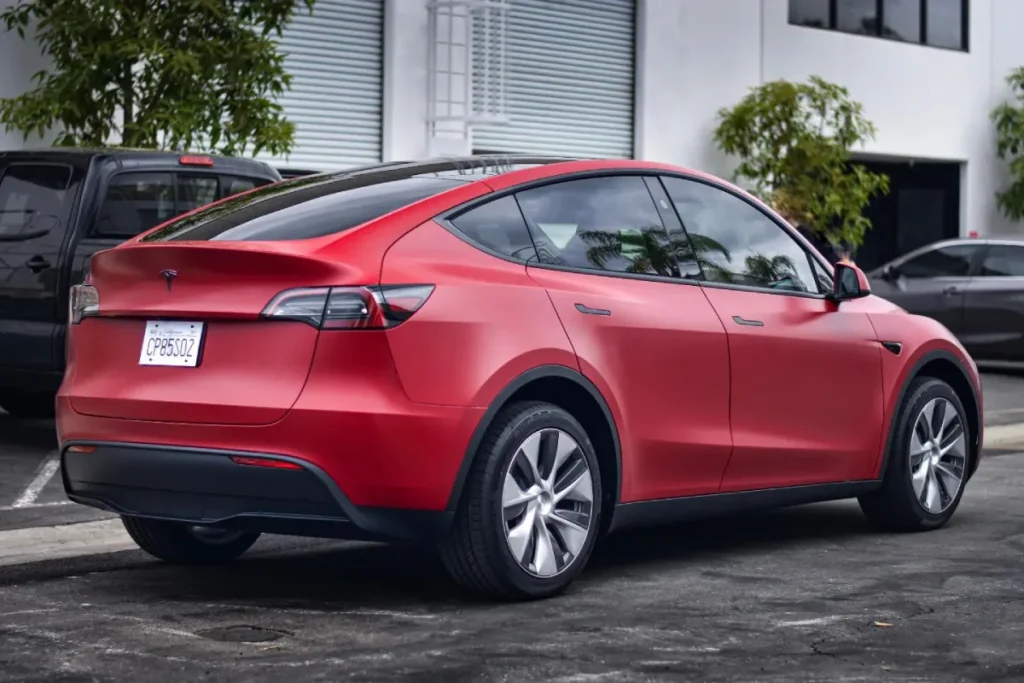
Myth: Vinyl Wraps Ruin Paint
This misconception persists, but it is not supported by how vinyl actually works.
Vinyl does not chemically interact with paint. It does not strip, dissolve, or weaken the surface. When damage occurs, it is almost always linked to external factors such as poor paint condition or improper handling.
In many cases, vehicles that have been wrapped for several years show better paint condition after removal compared to those left exposed.
Field Observations
Real-world outcomes reinforce the technical explanation.
During a recent audit for a fleet in Mission Grove, wrapped vehicles showed noticeably less UV fading than unwrapped units after several years of use.
In Orangecrest, a vehicle owner chose to wrap a newer car to preserve resale value. After removal, the paint maintained a consistent finish across all panels.
A case in Canyon Crest involved improper DIY removal, resulting in adhesive residue but not damaging the paint itself. This highlights a consistent pattern, technique, not material, determines the result.
These scenarios are representative of broader trends seen across Riverside vinyl wrap applications.
Why Vehicle Owners Choose Wraps
Beyond safety, wraps offer practical advantages:
- Preserve original factory paint
- Allow reversible customization
- Reduce long-term repaint costs
- Protect high-contact surfaces
- Enable branding for business vehicles
For many owners, the ability to protect and later reveal original paint in good condition is the primary benefit.
Final Takeaway
Vinyl wraps do not damage factory paint when applied and removed under proper conditions. The determining factors are paint quality, installation discipline, and removal timing—not the vinyl itself.
When these variables are controlled, wraps serve as a protective layer that can extend the life and appearance of the original finish.
Protect Your Paint with the Right Process
If you are considering a wrap, focus on process quality rather than just materials.
Vaia Design uses a structured approach to ensure every stage, from inspection to removal, is handled with precision.
Contact us today to have your vehicle evaluated and receive a wrap solution designed to protect your paint while maintaining long-term flexibility.
People Also Ask
Does removing a vinyl wrap peel off paint?
No, not when the paint is in good condition, and removal is done properly. Issues typically indicate pre-existing paint failure.
How long can a vinyl wrap stay on safely?
Most wraps are designed for 3–7 years. Beyond that, the adhesive can become more difficult to remove cleanly.
Is wrapping safer than repainting?
Yes. Wrapping is reversible and preserves the original finish, while repainting permanently alters the vehicle.
Can vinyl wraps hide paint damage?
They can visually mask minor imperfections, but underlying structural issues will still affect adhesion.
Does wrapping improve resale value?
It can, particularly if it preserves the original paint in better condition than exposed vehicles.